

Turntable Station, Record Cabinet, or Open Shelving? How to Actually Pick
We get some version of this question constantly, usually from someone who's spent an hour with fifteen browser tabs open and still isn't sure what they need. Fair enough — the category is confusing because the terms get used loosely. Here's the honest breakdown, no sales pitch, just what each one is actually good at.
Open shelving
This is the cheapest way in and it's not a bad one. A Kallax or similar cube shelf holds a lot of records for not much money, and if your main goal is "get records off the floor," it does the job. The tradeoffs: no protection from dust or light, no dedicated spot for your turntable that isolates it from vibration, and it looks like what it is — a bookshelf pressed into service. Fine for a starter collection or a secondary room. Less fine as the centerpiece of a listening space you've put real thought into.
Record cabinet
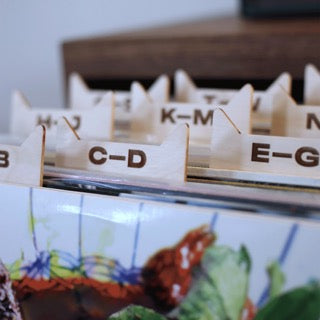
A dedicated cabinet is built around one job: holding a lot of vinyl well. Drawers or bins let you flip through covers the way you would in a record shop, closed doors keep dust and sun off your collection, and a good one is heavy enough to sit still. The catch is that a cabinet by itself doesn't solve where your turntable goes. You're often pairing it with a separate stand or console, which means two purchases and two footprints in the room.
Turntable station (combo piece)
This is the category we build in, so take the bias as given — but the logic is straightforward. A turntable station puts your deck, your amp, and your records in one physical footprint. For most people who aren't running a dedicated audiophile listening room, that's the more realistic setup: one piece of furniture, one spot in the living room, everything within arm's reach when you want to flip a record.
The tradeoff is capacity per square foot. A pure cabinet can pack more LPs into the same width because it's not giving up space to a turntable deck and amp shelf. If you've got 800+ records, a combo piece probably isn't going to hold all of them, and you'll want a cabinet (or several) for the overflow, with the station as your "in rotation" hub.
So which one do you actually need?
A rough gut check that's worked for people who've asked us this:
- Under ~150 records, casual listening → open shelving is genuinely fine, save the money
- Growing collection, want it to look intentional, turntable can live elsewhere → record cabinet
- Want one clean setup where you play records without walking across the room → turntable station
- Serious collection (500+) that's outgrown a single piece → a turntable station for your regular rotation, plus cabinets for the deep catalog
None of these are permanent decisions. A lot of collectors start with shelving, move to a station once they've got a system they actually use, and add cabinet storage later as the collection grows past what any single piece can hold. The furniture should follow how you actually listen, not the other way around.
If you want to talk through your specific space or collection size, our custom shop team will actually give you a straight answer about what fits — including telling you if you don't need what you were about to buy.
— WickerWoodWorks, Portland, OR




Comments (0)
There are no comments for this article. Be the first one to leave a message!